Importing Class 1 Medical Devices to Japan: What you need to know?
International medical device manufacturers already play a major role in Japan’s healthcare system.
With nearly 30% of its population aged 65 or older, Japan has growing needs for medical technologies supporting diagnosis, monitoring, and ongoing care. Demand also extends across hospitals and healthcare providers serving patients of all ages. In 2025, medical device imports were estimated at US$23.5 billion, representing nearly 70% of Japan’s medical device market, up approximately 5% from 2024.
However, entering Japan involves more than bringing a product into a new market. Japan has strict medical device regulations that differ from those in the US and EU. Even non-invasive, surface-level devices must meet Japan’s own regulatory requirements, including having a licensed local Marketing Authorization Holder (MAH), a formal marketing notification, and compliant labeling and import arrangements.Beyond regulatory compliance, manufacturers must also establish how their products will be imported into Japan. For overseas brands without a Japanese entity that retain ownership of their products at the time of import, an Attorney for Customs Procedures (ACP) can handle customs representation. The following steps focus on this model for eligible Class I devices, including how COVUE can support the regulatory and import procedures, as well as relevant after-sales operations.
Understanding Japan’s Medical Device Regulations
Medical devices in Japan are regulated under the Pharmaceuticals and Medical Devices Act (PMD Act), which establishes requirements for product safety, quality, and distribution.
Three key entities are involved:
- Ministry of Health, Labour and Welfare (MHLW) oversees Japan’s medical device regulatory framework and applicable licensing requirements.
- Pharmaceuticals and Medical Devices Agency (PMDA) handles regulatory procedures, including Class I medical device marketing notifications.
- Marketing Authorization Holder (MAH) is a licensed Japan-based entity responsible for placing a medical device on the Japanese market and ensuring compliance with applicable quality and safety requirements.
For international manufacturers without a licensed Japanese entity, working with an appropriate MAH is a necessary part of establishing the regulatory structure.
What Are Class I Medical Devices in Japan?
Under Japan’s Pharmaceuticals and Medical Devices Act (PMD Act), medical devices are classified into four categories based on their level of risk to human health.
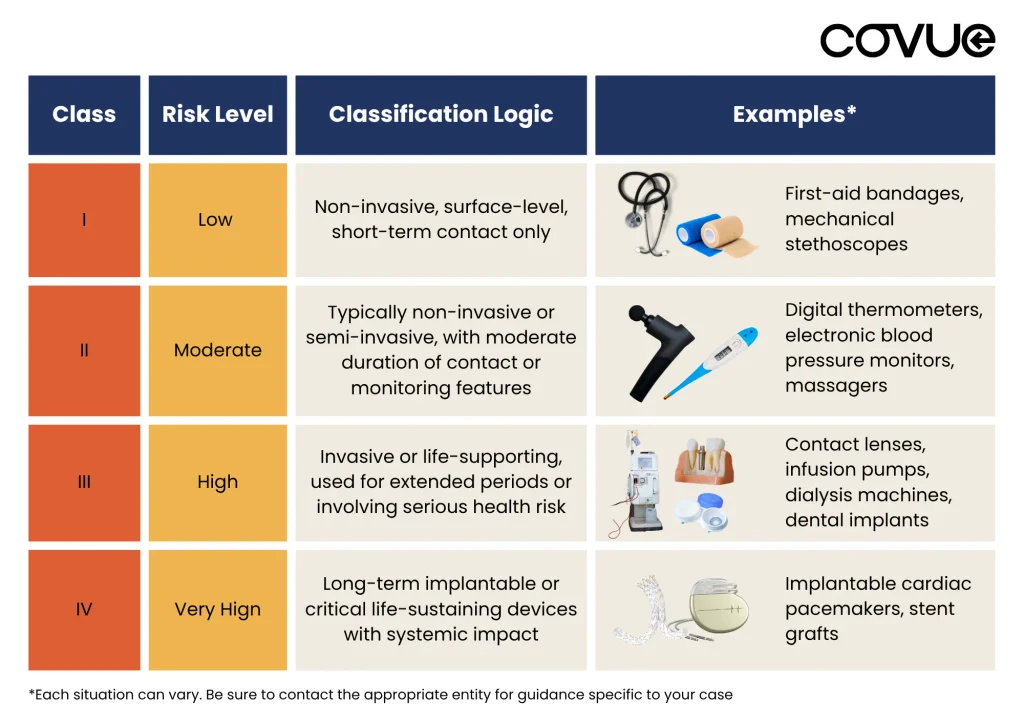
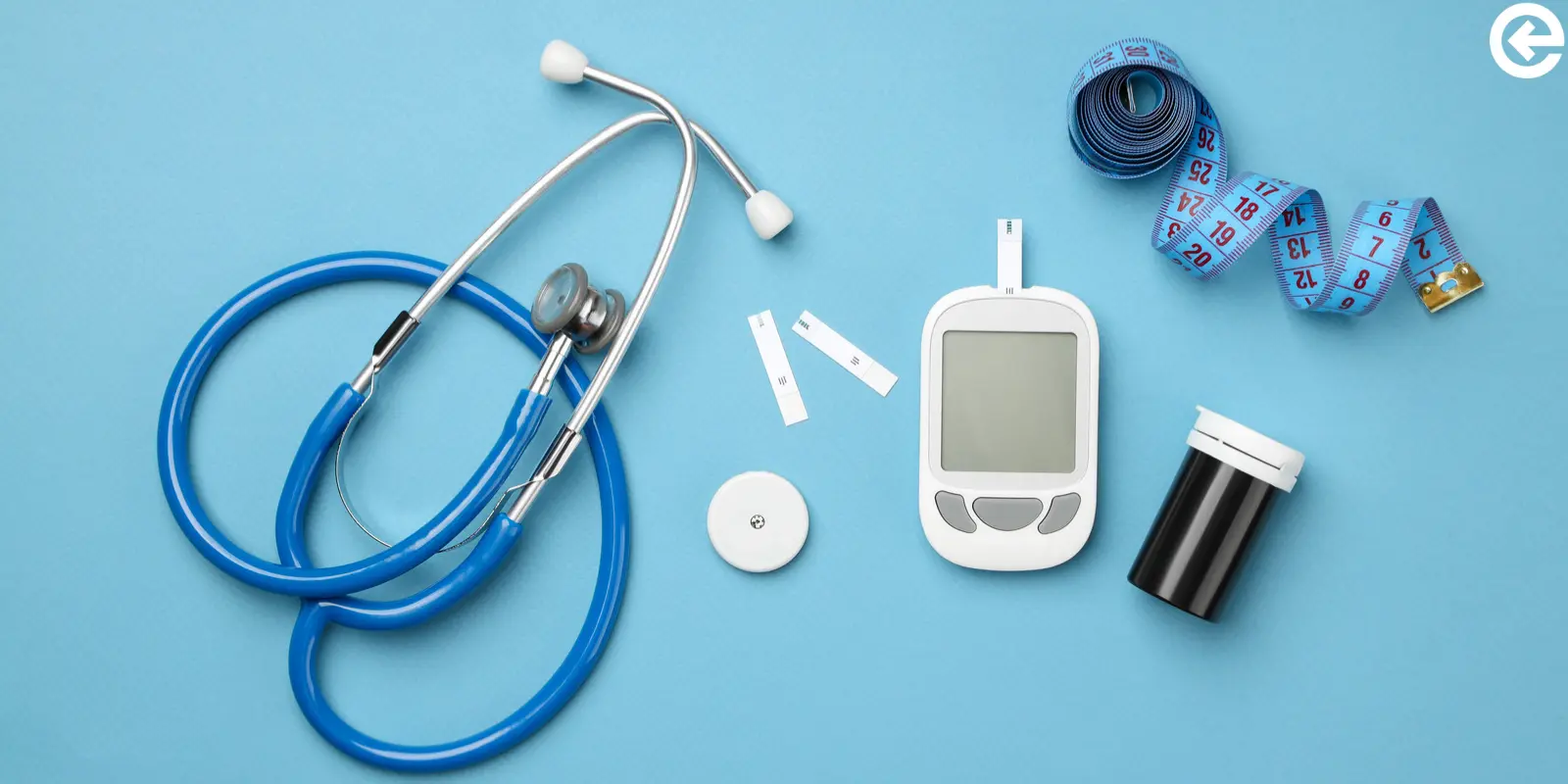
Class I devices, also known as General Medical Devices (一般医療機器), are considered to pose an extremely low risk to human health if they malfunction. Common examples include medical bandages, mechanical stethoscopes, tongue depressors, and certain body movement sensors.
To determine the appropriate classification, Japan uses the Japanese Medical Device Nomenclature (JMDN) system. This system assigns medical device categories an official name, code, and definition based on their intended use and characteristics. Because Japan follows its own classification standards, these categories may differ from those used in other countries.
How to Import Class I Medical Devices into Japan
Step 1. Confirm Product Classification and Import Requirements
Before starting the import process, you need to confirm that your product qualifies as a Class I medical device under Japanese regulations. This involves identifying the applicable JMDN code, generic name, and official definition to determine whether the product fits the intended classification.
Another consideration is whether the device is designated as a Specially Designated Maintenance-Control-Required Medical Device (特定保守管理医療機器). Not all Class I devices are intended for home use. Some require specialized maintenance and may be subject to additional sales-license or distribution requirements. These distinctions can also affect the appropriate import arrangement.
Unsure how your medical device is classified? COVUE can review your product information and help identify the applicable Japanese requirements before you proceed.
Step 2. Vendor Code and Foreign Manufacturer Registration
To distribute an imported medical device in Japan, the relevant foreign manufacturing site must be registered with the MHLW.
If the foreign manufacturer already holds a valid registration covering the relevant site, the process may proceed without a new registration. Otherwise, a Vendor Code must first be obtained. This is followed by the Foreign Manufacturer Registration procedure, handled through the PMDA on behalf of the MHLW.
It is important to understand that obtaining a Vendor Code alone does not complete the foreign manufacturer registration. Both requirements must be addressed before proceeding with the applicable product notification.
Step 3. Product Compliance Labeling
Medical devices sold in Japan must display the information required under the PMD Act, including identification of the responsible MAH and other applicable product details.
Labels and accompanying product information must also accurately match the regulatory documentation, including company names and product details. Even minor discrepancies, such as missing punctuation, can cause issues during compliance reviews.
Step 4. Class I Medical Device Marketing Notification
Before a Class I medical device can be placed on the Japanese market, the licensed MAH must submit a Medical Device Marketing Notification (製造販売届出) to the PMDA.
Unlike higher-risk medical devices, Class I medical devices follow a notification process rather than a full application and review process. The MAH is responsible for ensuring the submitted information is accurate and meets Japanese regulatory requirements.
The notification includes information about the device’s intended use, structure, manufacturing details, and applicable performance and safety specifications.
For overseas brands retaining ownership of their products under the ACP import model, the Japanese MAH must also serve as the appointed Attorney for Customs Procedures (ACP). This ensures the entity responsible for the medical device notification is also the designated customs representative.
Step 5. Shipping and Customs Clearance
Once the necessary regulatory procedures are complete and you have the go ahead from your ACP/MAH, your products can be shipped to Japan. Customs clearance requires an appointed ACP, accurate shipping documentation, product approval, and information about where the products will be sold in Japan.
A licensed customs broker handles the import declaration, and applicable customs duties and Japanese consumption tax must be paid before the goods are released.
COVUE can serve as both your MAH and ACP, preparing and coordinating the required import documentation while our in-house logistics team manages shipping coordination, customs clearance arrangements, and domestic delivery.
What Happens After Your Medical Device Enters Japan?
Once your medical device is available in Japan, it’s worth considering how you will support your customers after the sale. Depending on the product and its intended use, having local after-sales support can improve the customer experience and help your business respond to issues more effectively.
Here are some areas to consider:
- Customer Care: Providing Japanese-language assistance for product inquiries, usage questions, and customer feedback.
- Technical Support and Maintenance: For relevant devices, offering troubleshooting, technical assistance, and repair services for devices that require ongoing support.
- Product Safety and Complaint Handling: Establishing a process for receiving customer complaints, identifying product issues, and responding appropriately.
- Recall and Corrective Action Planning: Preparing a clear plan for the case of a product defect or safety concern.
COVUE can support these after-sales needs in Japan through our dedicated customer care and technical service teams.
Read more: Structuring After-Sales Support in Japan Across Three Operational Levels
What to Watch Out for When Importing Class I Medical Devices
Even though Class I devices follow a notification process, manufacturers should be aware of several common compliance considerations.
- Product misclassification. A device classified as Class I in another country may fall into a different category in Japan. Incorrect classification can affect the entire regulatory process.
- Product claims. Statements about a device’s intended use or medical benefits must align with its Japanese classification. Claims that go beyond the applicable device definition may require additional regulatory consideration.
- Testing and documentation. The Class I notification does not involve routine product approval testing, but appropriate evidence of safety and quality may still be required depending on the device.
Failure to meet regulatory requirements can result in shipments being rejected at customs, expensive delays, financial penalties, or even the withdrawal of your products from the Japanese market.
Ready to bring Your Medical Device to Japan?
Importing medical devices into Japan can be complex and time-consuming, but COVUE can support you through every stage, from regulatory preparation to import and ongoing operations.
Tell us about your products and plans for Japan. Our team will review the applicable requirements and arrange a call to discuss the best way forward.