Foreign Beauty Brands in Japan: What Their Success Actually Teaches You
Japan’s beauty and personal care market is one of the most competitive and structurally mature in the world. Domestic leaders such as Shiseido and Kanebo operate alongside global groups including L’Oréal, Estée Lauder, Procter & Gamble, and Unilever. The presence of powerful local and international players makes entry challenging, yet it has not prevented foreign brands from building meaningful and profitable positions. The difference between those that scale and those that quietly withdraw rarely comes down to brand recognition alone. It comes down to preparation, adaptation, and disciplined execution.
They Treated Japan as a Strategic Market, Not an Export Extension
Successful foreign beauty brands do not approach Japan as a secondary revenue opportunity. They invest in the market deliberately. This includes early regulatory alignment under the PMD Act, accurate product classification, compliant claims, and properly localized labeling before launch. Operational readiness is addressed in parallel with marketing ambitions.
Beyond compliance, successful entrants allocate resources locally. Customer communication is structured in Japanese. Distributor relationships are cultivated carefully. Pricing is aligned to category expectations rather than directly converted from overseas markets. This level of structural commitment signals long-term intent, which is critical in a market where retailers and consumers value reliability.
Brands that struggle often underestimate this dimension. They rely heavily on cross-border ecommerce without local infrastructure, or they replicate global campaigns without adjusting tone, claims, and positioning. In Japan, that lack of refinement becomes visible quickly.
They Adapted the Product Experience to Local Expectations
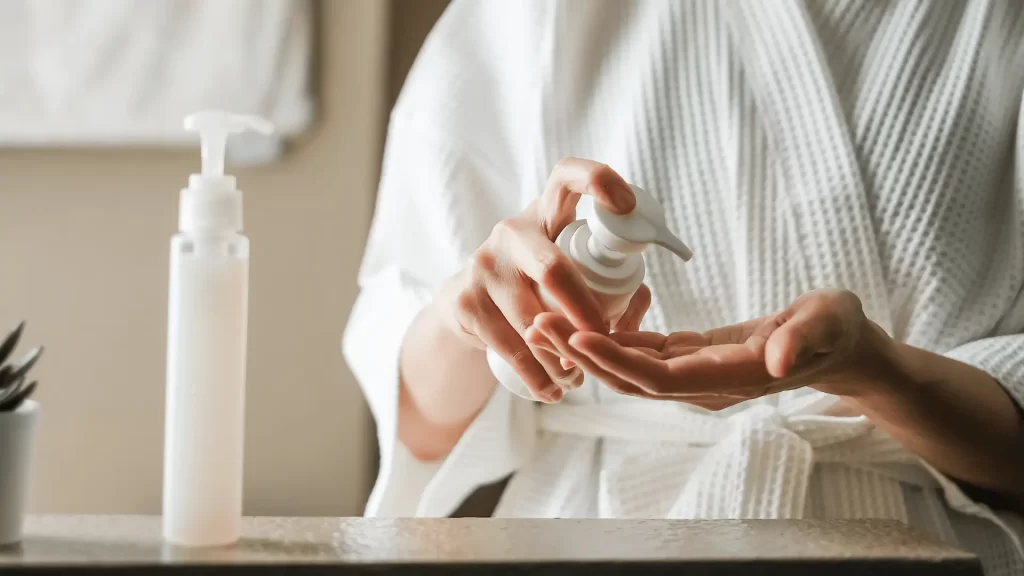
Japanese beauty consumers are highly attentive to product feel, texture, layering compatibility, and seasonal suitability. Heavy creams that perform well in colder climates may feel unsuitable in Japan’s humid summers. Strong fragrances may not align with consumer preference for subtlety. Even packaging size and dispensing mechanisms influence perception.
Foreign brands that perform well have historically invested in product refinement. They adapt formulations, adjust textures, and consider how products integrate into multi-step skincare routines that are common in Japan. Rather than disrupting established rituals, they position themselves as enhancements within them.
This extends to aesthetic presentation. Premium brands that succeed in Japan often refine packaging details and visual tone to align with local preferences for subtle elegance. Localization is not limited to translation. It is experiential and sensory.
They Sequenced Growth and Built Credibility Before Scaling
A common pattern among successful foreign beauty brands is disciplined channel sequencing. Instead of pursuing immediate nationwide retail expansion, they often begin with controlled validation. Ecommerce platforms such as Rakuten Ichiba and Amazon Japan allow brands to test pricing, gather reviews, and refine positioning. Specialty retailers and curated channels provide focused exposure that reinforces brand image.
Visibility on influential review platforms such as @cosme strengthens credibility within a research-driven consumer culture. Once traction is demonstrated, broader distribution becomes easier to negotiate.
At the same time, strong post-purchase infrastructure supports credibility. Localized customer service, thoughtful review management, and clear return policies reinforce trust. In Japan, brand strength is built through consistency rather than aggressive expansion.
It is also instructive to examine why some foreign beauty brands fail. Often, the issue is not product quality but structural misalignment. Insufficient regulatory preparation, premature retail expansion without validated demand, weak customer support in Japanese, or failure to adapt product experience can quickly undermine early momentum. Japan rewards discipline more than speed.
The overarching lesson is clear. Foreign beauty brands that succeed in Japan treat entry as a structured expansion initiative. They align product, compliance, channel strategy, and operations before scale. Preparation, not assumption, determines sustainability.
Japan’s beauty market rewards brands that enter with structure and long-term intent.
If you are planning to launch cosmetics or personal care products in Japan, your strategy must address regulatory alignment, product adaptation, channel sequencing, and operational readiness before scale. A disciplined market entry framework significantly improves your probability of long-term success.
This article was originally posted on February 8, 2023, and updated with recent information on January 13, 2025.