Selling Fashion and Beauty in Japan
Japan’s fashion and beauty market is sophisticated, segmented, and structurally competitive. It rewards refinement, punishes misalignment, and moves quickly when a brand resonates.
Consumers in Japan are not simply trend-driven. They are informed, detail-oriented, and highly sensitive to quality, functionality, and presentation. For foreign brands, entering this market requires more than creative appeal. It demands strategic alignment across positioning, channel selection, pricing, and regulatory readiness.
Precision, Functionality, and Aesthetic Discipline
Japanese fashion preferences often balance subtlety with individuality. While youth segments experiment with bold makeup colors, textured finishes, and expressive styling, the broader market values polish and wearability. Accessories with understated design, wrinkle-resistant fabrics, comfort-driven footwear, and temperature-adaptive garments perform well because they fit into daily life seamlessly.
Function is not a niche category in Japan. It is mainstream. Seasonal climate extremes have normalized innovation in breathable fabrics, heat-retention garments, and lightweight layering systems. Brands such as Uniqlo have built category dominance by aligning technology with everyday practicality. Foreign brands entering the market must understand that aesthetic alone is rarely sufficient. Performance attributes are expected.
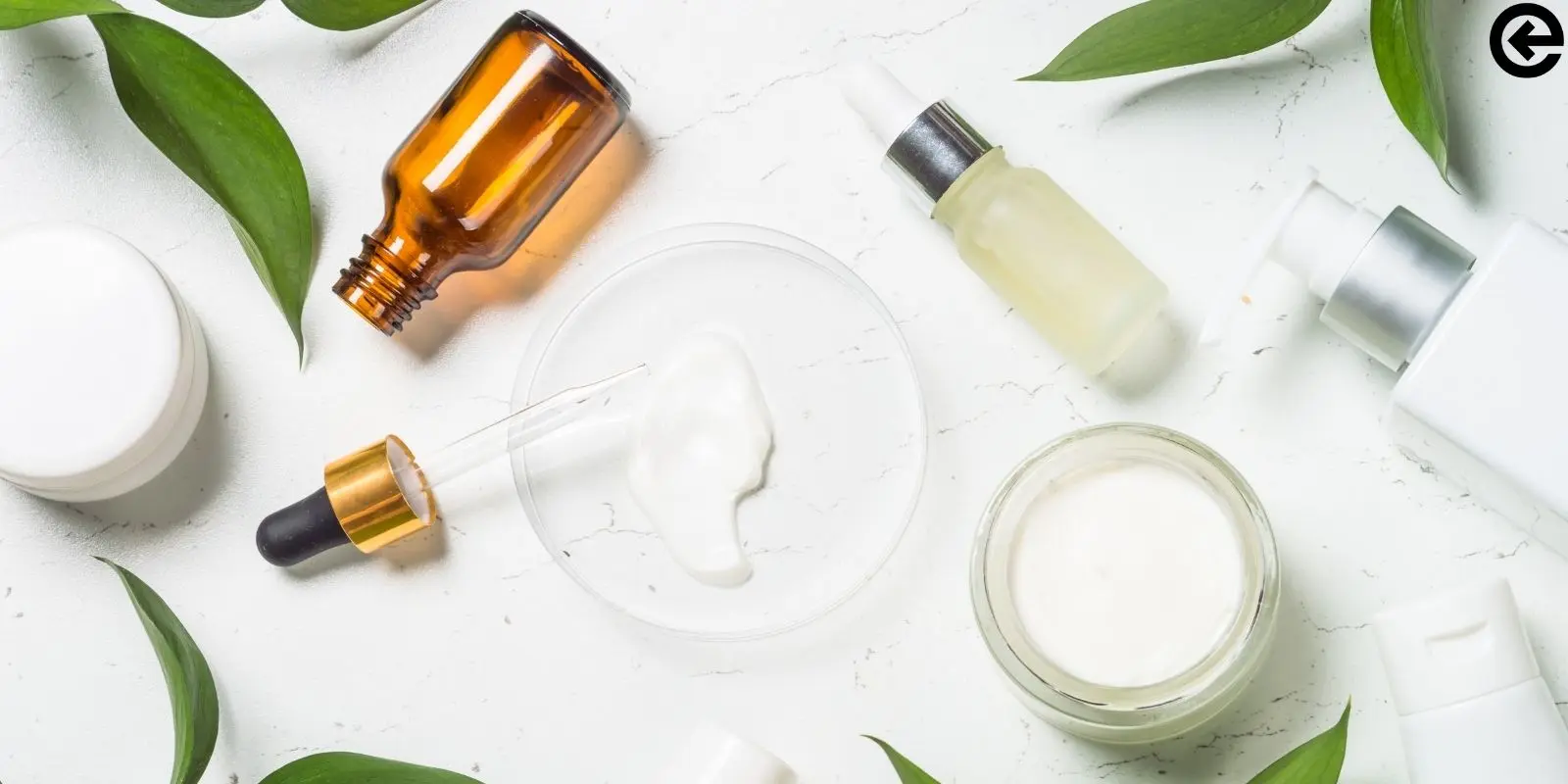
In beauty, skincare remains the core of the category. Texture, hydration, layering systems, and routine discipline define purchasing behavior. Consumers often follow multi-step regimens and pay close attention to ingredient lists. While trends such as mochi-like smooth skin textures remain culturally relevant, messaging must be contemporary and respectful. Modern Japanese consumers prioritize skin health, clarity, and balance rather than simplistic tone narratives.
Technology, Ecommerce, and the Evolution of Shopping
Digital transformation in Japan’s fashion and beauty sectors is no longer emerging. It is embedded. Platforms such as Rakuten Ichiba, Amazon Japan, and ZOZOTOWN serve as powerful discovery and validation channels. Ecommerce enables brands to test price positioning, gauge consumer response, and build credibility before negotiating department store or specialty retail placements.
Technology-driven shopping enhancements have become normalized. AI-powered sizing tools, virtual try-on applications, and advanced personalization algorithms reduce hesitation around fit and shade selection. Consumers expect seamless digital integration. Brands that lack localized ecommerce presence or digital adaptability risk appearing disconnected.
However, ecommerce success in Japan depends on trust architecture. Clear product information, refined imagery, fast fulfillment, and strong customer service standards are essential. Conversion rates improve significantly when brands demonstrate localized presence rather than relying solely on cross-border fulfillment models.
For many foreign fashion and beauty brands, ecommerce should be considered a structured first phase of market entry rather than an afterthought.
Premium Demand and the Senior Opportunity
Japan remains one of the most important global markets for premium beauty and fashion. Luxury skincare, high-end cosmetics, and refined apparel continue to perform strongly, supported both by domestic consumers and inbound tourism. Consumers are willing to pay for craftsmanship, ingredient integrity, and brand heritage, provided the positioning aligns with Japanese aesthetic expectations.
At the same time, the senior market represents one of the most structurally significant growth segments. With one of the world’s most aged populations, Japan’s mature consumers possess purchasing power and increasingly embrace refined, comfortable, and elegant fashion rather than attempting to replicate youth trends. Beauty brands that address mature skin concerns with scientific credibility and subtle messaging find receptive audiences.
Sustainability and ethical positioning are also gaining relevance. Refillable packaging, clean ingredient narratives, and environmentally responsible production are increasingly part of purchase consideration, particularly among younger consumers.
Strategy Before Scale
Selling fashion and beauty in Japan requires careful sequencing. Brands must define their value proposition clearly, localize messaging thoughtfully, ensure regulatory compliance for cosmetics and quasi-drugs where applicable, and determine whether ecommerce validation should precede retail expansion.
Japan’s market does not reject foreign brands. It evaluates them. Those who enter with structured preparation, localized understanding, and operational discipline position themselves for sustainable growth.
Japan’s fashion and beauty market rewards refinement and preparation.
If you are planning to launch in Japan, your positioning, ecommerce validation strategy, regulatory alignment, and channel sequencing must be clearly defined before scale. Entering without structure increases cost and risk.
This article was originally posted on July 20, 2021, and updated with recent information on January 13, 2025.