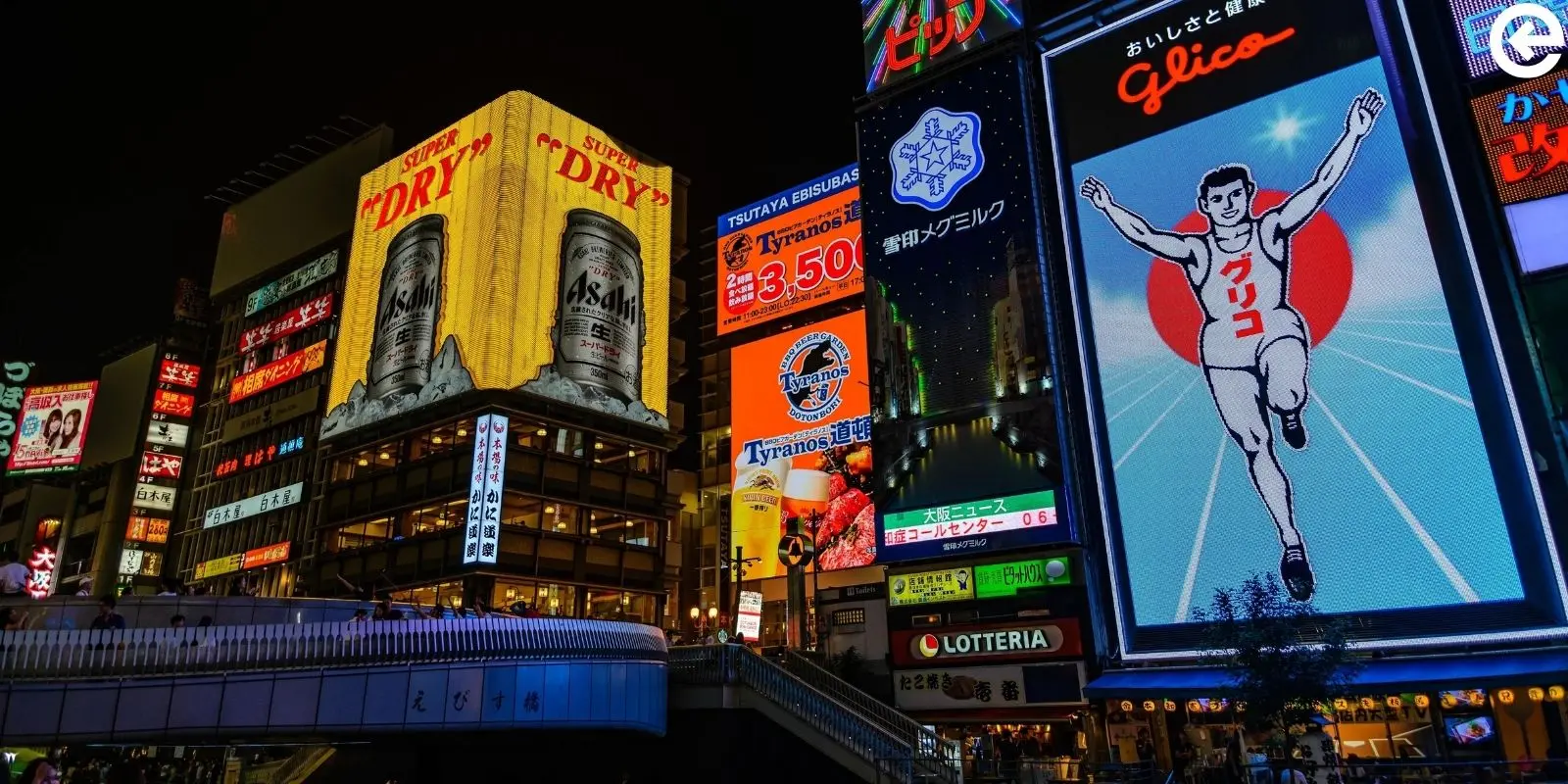
How Japanese Advertising Differs from the West
Advertising in Japan is not simply a translated version of Western campaigns. It reflects deeper cultural structures, communication styles, and consumer expectations that influence how brands build trust and drive demand.
For foreign companies entering Japan, the challenge is not understanding that differences exist. It is understanding how those differences should shape execution, tone, and channel strategy before launch.
Messaging Style: Subtle Persuasion Over Direct Assertion
Western advertising often emphasizes bold positioning, strong calls to action, and clear competitive differentiation. Campaigns frequently celebrate individuality, disruption, and personal achievement. In Japan, persuasive communication tends to be more subtle and layered.
Japanese advertising frequently balances emotional storytelling with product credibility. Information is important, but it is delivered within narrative context rather than through aggressive comparison. Brands often present themselves as contributors to daily life, community harmony, or long-term wellbeing rather than as challengers to competitors.
The tone is typically respectful and measured. Even aspirational messaging is framed in a way that avoids overt confrontation. For foreign brands, this requires adjusting creative direction. Direct superiority claims or aggressive promotional language may feel misaligned with consumer expectations.
Trust and Brand Longevity Over Immediate Impact
In Western markets, campaigns are often designed for immediate attention and measurable short-term conversion. In Japan, advertising frequently plays a longer-term brand-building role.
Consumers are research-driven and cautious. Peer reviews, reputation platforms, and word-of-mouth influence purchasing decisions significantly. Advertising must therefore reinforce credibility and reliability rather than simply generate excitement.
This explains why Japanese campaigns sometimes appear slower-paced or more narrative-driven. The objective is often to build emotional familiarity and consistency over time. Brands that enter Japan with short-term promotional intensity but no sustained messaging architecture often struggle to maintain traction.
Channel Differences and Platform Ecosystems
Digital advertising is deeply embedded in Japan, but the platform landscape differs from Western markets. LINE remains one of the most influential communication platforms. Yahoo! Japan maintains strong presence in search and display. Rakuten Ichiba operates within its own ecosystem where advertising integrates with loyalty mechanics. YouTube, Instagram, and TikTok are influential, but campaign tone and execution must align with Japanese communication norms.
Television still plays a meaningful role in brand credibility, particularly for mass-market categories. Print media also retains influence compared to many Western markets, especially within certain demographics.
For foreign brands, platform selection should be based on channel strategy and target segment behavior rather than simply replicating global media allocations.
Cultural Sensitivity and Local Adaptation
Localization in Japan extends beyond translation. Visual aesthetics, humor, pacing, music choice, and spokesperson selection all influence how advertising is received. Celebrity endorsements and character branding are common, but they must align with audience expectations.
Foreign brands often underestimate the importance of seasonal campaigns, limited editions, and culturally relevant timing. Aligning advertising calendars with Japanese shopping periods and cultural moments increases resonance.
Perhaps most importantly, product claims must align with regulatory standards. In regulated categories such as cosmetics, health products, or medical devices, advertising language must comply with Japanese law. Overstated claims can lead to delays or reputational damage.
Advertising in Japan is therefore not just creative work. It intersects with compliance, distribution strategy, and long-term brand positioning.
What This Means for Market Entry
Entering Japan successfully requires adjusting not only your message, but your marketing structure. Campaign tone, creative direction, platform selection, compliance review, and channel sequencing should be designed specifically for the Japanese market.
Brands that simply localize copy while maintaining Western campaign architecture often experience muted performance. Brands that adapt strategically to Japan’s communication environment build stronger brand equity over time.
The opportunity in Japan is significant. So is the expectation of precision.
If you are planning to enter Japan, your advertising strategy must align with local communication norms, platform ecosystems, and regulatory standards before launch.
A structured market entry plan integrates localization, channel strategy, and compliance from the beginning, ensuring your brand resonates authentically in the Japanese market.
This article was originally posted on September 6, 2023, and updated with recent information on January 13, 2025.