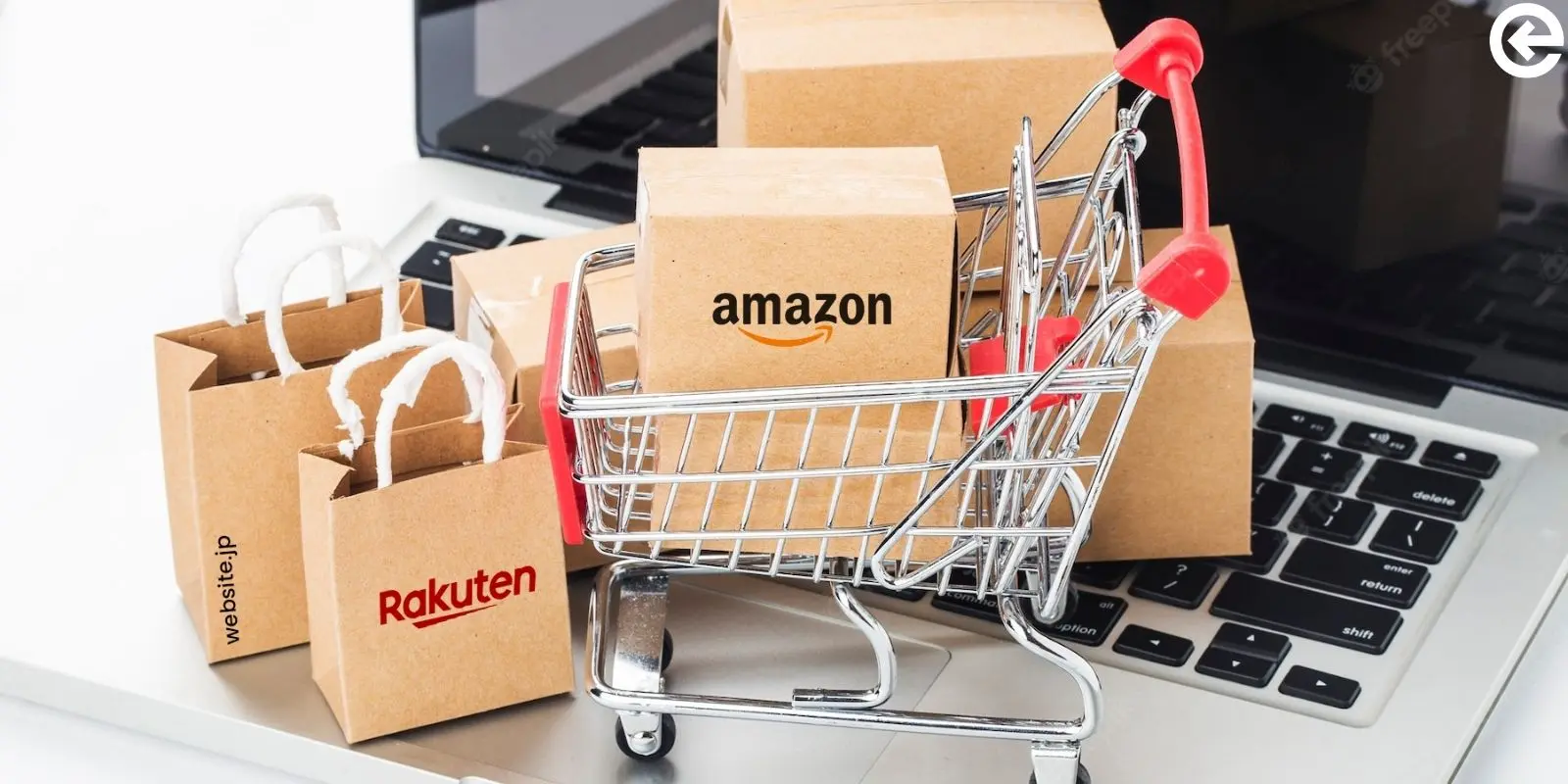
3 Steps to Succeed in Japan’s Peak Holiday Season
In Western culture, Christmas is celebrated with gift-giving and spending time with loved ones, but in Japan, it takes on a very different meaning. Instead of being family-centric, Christmas is a romantic occasion for couples. People exchange gifts, enjoy light displays, and even indulge in KFC – a quirky tradition born from KFC Japan’s clever marketing.
In the U.S., traditions around gift-giving drive peak sales, with events like Black Friday boosting holiday campaigns. Does Japan offer similar opportunities?
While Japan’s holiday season is unique, it still offers key opportunities for brands to run campaigns and capture the last big sales of the year. And by leveraging other sales events throughout the year, you can maximize your success in the Japanese market.

Understanding the Japanese Holiday Season:
In Japan, holiday sales opportunities go beyond Christmas. While Christmas may involve buying cakes, KFC meals, or gifts for a partner, New Year’s is a family-focused event. During New Year’s, parents and grandparents give money to children in envelopes (otoshidama), and shoppers flock to buy fukubukuro (lucky bags).
Lucky bags, or fukubukuro, are sealed packages filled with a mix of items at a significant discount. While they keep a sense of excitement, the contents are usually known, which makes them even more appealing to shoppers looking for a great deal. It’s a fun tradition that helps retailers clear out inventory and gives sellers in Japan a great chance to boost sales.
3 Steps to Secure Your Success
For those interested in approaching the sales season in Japan, here are 3 steps to executing your sales campaigns effectively.
Step 1: Plan and Strategize
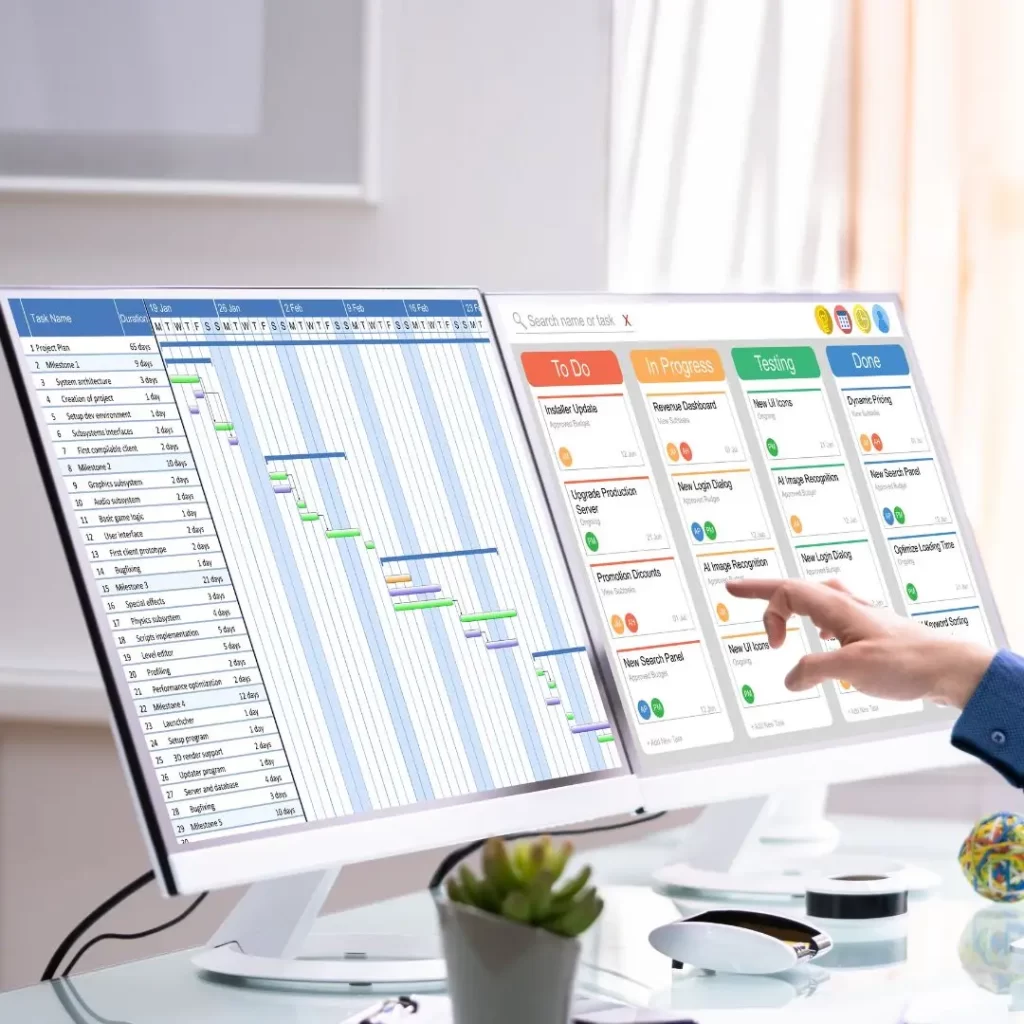
- Prepare for Logistics:
Plan ahead for production, shipping, importing, and warehousing. Ensure your inventory is ready and can meet demand during peak seasons. Timely fulfillment is crucial to avoid delays that could disrupt your campaigns.
- Build a Marketing Calendar:
Map out your marketing activities for key Japanese holidays like Black Friday, Christmas and New Year’s sales. Highlight peak shopping periods and plan promotions or campaigns around these dates.
Read more: Japan Market Planning Guide 2026: Essential B2B and B2C Strategies for Growth
- Develop Holiday-Specific Strategies:
Tailor your campaigns to Japan-specific traditions to make the most of peak sales opportunities. For example, focus on New Year’s fukubukuro (lucky bag) sales on platforms like Rakuten Ichiba. It offers a dedicated interface for browsing and searching fukubukuro, making it easier for customers to find and purchase your offerings.
Rakuten Ichiba also allows customers to check real-time popularity rankings across different categories, which can potentially boost your product’s visibility. Additionally, it typically starts its New Year campaigns earlier than Amazon Japan, giving you a valuable head start on sales.
Step 2: Localize and Execute
- Localize Your Campaigns:
It’s always best to work with a localization expert who understands both the language and the nuances of marketing in Japan and can create content tailored to the Japanese audience.
If your budget is limited, you can try and adapt your existing content for the Japanese market. Use imagery, language, and offers that reflect cultural nuances. Focus on simplicity, respect for traditions, and visual aesthetics that resonate with Japanese consumers.
If you use machine translation tools, make sure the translations are reviewed by a native speaker to confirm accuracy and cultural relevance.
A poorly localized campaign can harm your brand’s credibility.
Look for inspiration from local Japanese sellers on platforms like Rakuten Ichiba and Amazon Japan. Search for newsletter templates online to see what resonates with Japanese audiences. Keep in mind that what works in your country might not necessarily work in Japan, so it’s essential to adapt thoughtfully.
- Build Anticipation and Hype:
Announce promotions early to create excitement on social media and eCommerce platforms. Use localized content to connect with your audience, leveraging popular Japanese platforms like LINE, Instagram, and TikTok to build buzz.
- Provide Excellent Customer Service:
Smooth order processing, timely delivery, and responsive customer service are critical to ensuring a positive experience. These elements help build trust with Japanese consumers and encourage repeat purchases.
Step 3: Track, Adapt, and Optimize
- Analyze Performance Metrics:
Track key metrics like sales, conversions, and customer feedback to evaluate the success of your campaigns. Use this data to identify what worked well and areas for improvement. - Stay Flexible: Be prepared to adapt your strategies in real-time based on market trends and consumer behavior. Monitor campaign performance closely and make adjustments to optimize results.
- Iterate for Future Campaigns:
Use the lessons learned to refine your approach for future holidays. Consistent evaluation and iteration will help you stay competitive and build lasting success in the Japanese market.

Read more: Getting Into eCommerce in Japan: A Complete Guide
Succeeding in Japan’s holiday seasons requires thoughtful preparation, localized content, and exceptional customer service. By planning ahead, adapting to Japanese traditions, and building early excitement, you can position your brand for success. Track performance, stay agile, and watch your brand grow in Japan’s dynamic market.
Operational strength builds brand trust.
If your customer support stops at closing time, your growth potential might too. In Japan, reliability and responsiveness shape how customers, partners, and distributors evaluate your business. After-hours capability is not just a service function, it is part of your operational foundation.
If you are expanding or scaling in Japan, your support infrastructure should match your ambition.
This article was originally posted on October 26, 2022, and updated with recent information on December 18, 2024.